The NIS Gr. 8 Rocket Fair, Sponsored by Lockheed Martin
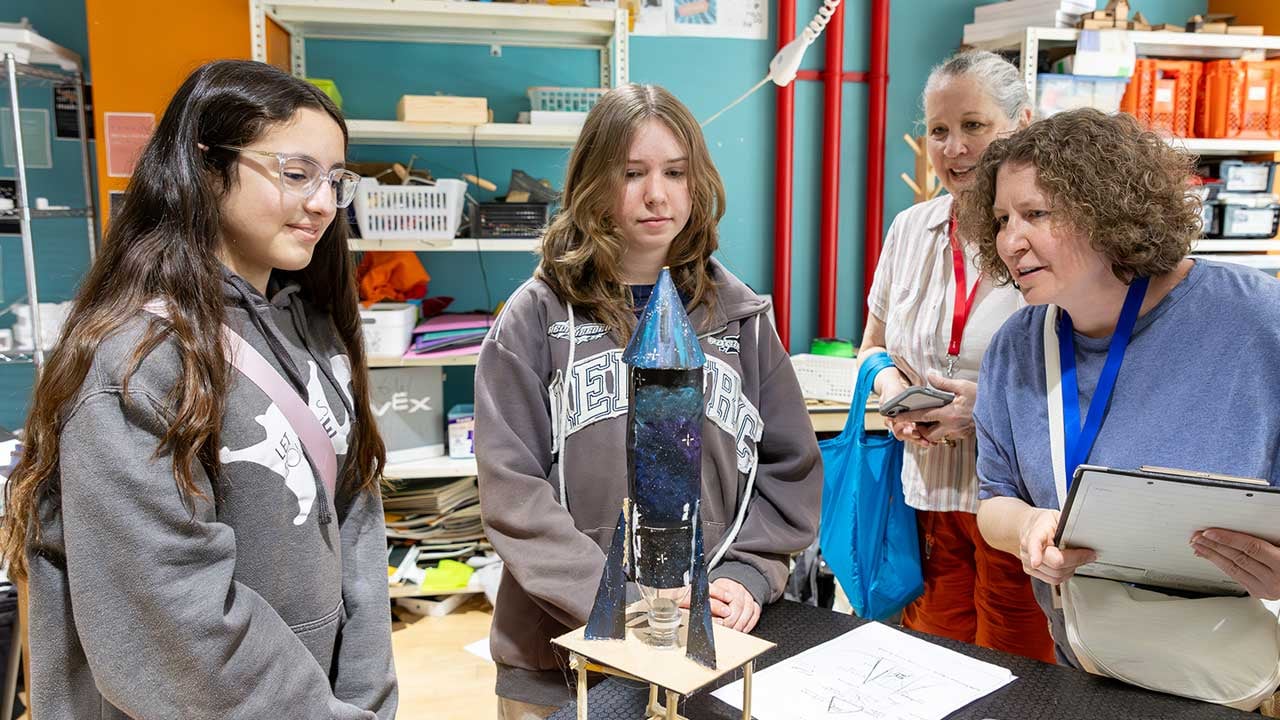
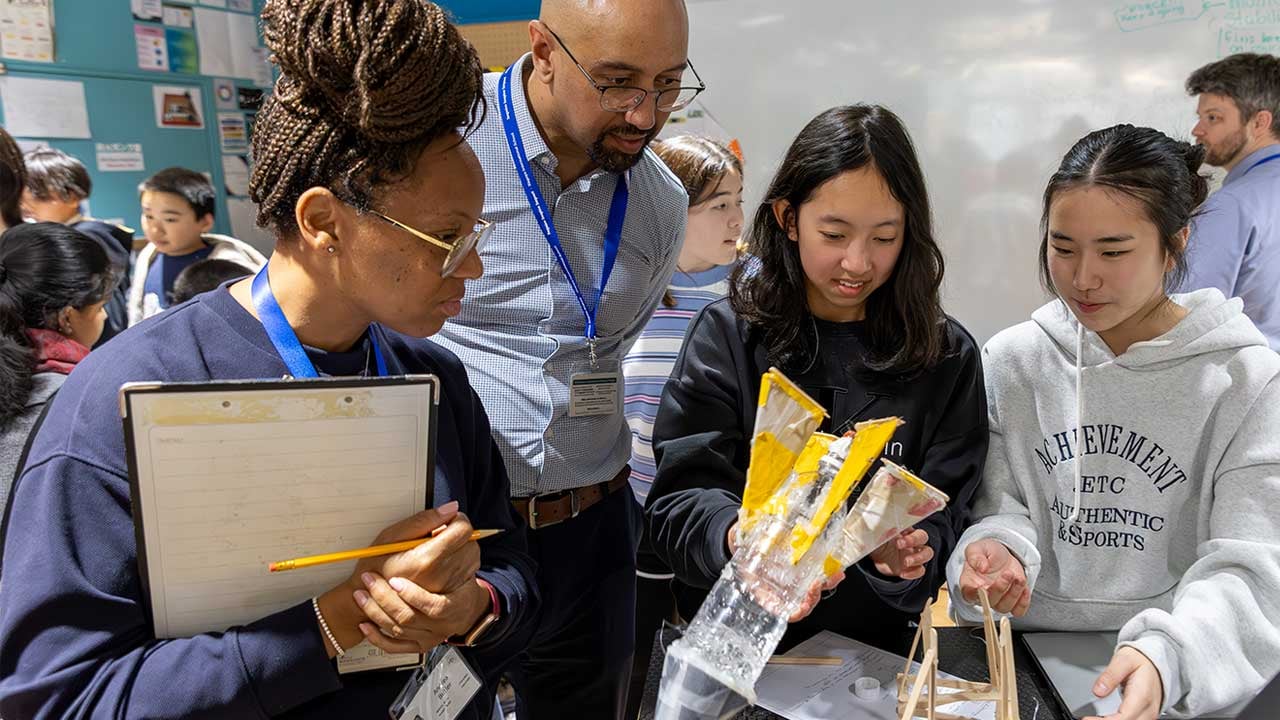
Before a single rocket leaves the ground, the learning has already begun. Inside the Design Lab at Nagoya International School (NIS), Grade 8 students gather around sketches, prototypes, and materials.
What begins on paper—diagrams, measurements, and ideas shaped in two dimensions—quickly evolves into something more complex. Students are challenged to bring those ideas into the real world, where balance, stability, and force behave in ways that can’t always be predicted.
And by the time launch day arrives, each rocket represents a journey from theory to application.
From Theory to Three Dimensions
At the heart of the Rocket Design Challenge is an exploration of aerodynamics. Students investigate how forces like thrust, drag, and stability interact—concepts first encountered through inquiry and discussion. These concepts are then translated into sketches for critique and fine-tuning.
But understanding these ideas on paper is only the beginning.
In the Design Lab, students translate theory into physical form. A fin that looks effective in a sketch may behave differently in motion. A structure that seems stable at rest may shift under pressure. Through building and testing, students begin to see how two-dimensional thinking expands into a three-dimensional reality—one that requires adjustment, flexibility, and deeper understanding.
A Space Designed for Thinking
The Design Lab plays a critical role in this process. Unlike a traditional classroom, it invites experimentation—tools within reach, materials ready to be tested, and space for ideas to evolve.
Here, students are not just learning about science; they are doing science. They iterate, redesign, and refine, using the facilities to support a hands-on approach that mirrors real-world engineering practices.
With the continued support of Lockheed Martin, students are also able to connect their work to the broader world of aerospace innovation, seeing how the principles they explore in class extend far beyond school.
Learning on Display
What makes this experience especially powerful is that student thinking doesn’t remain hidden.
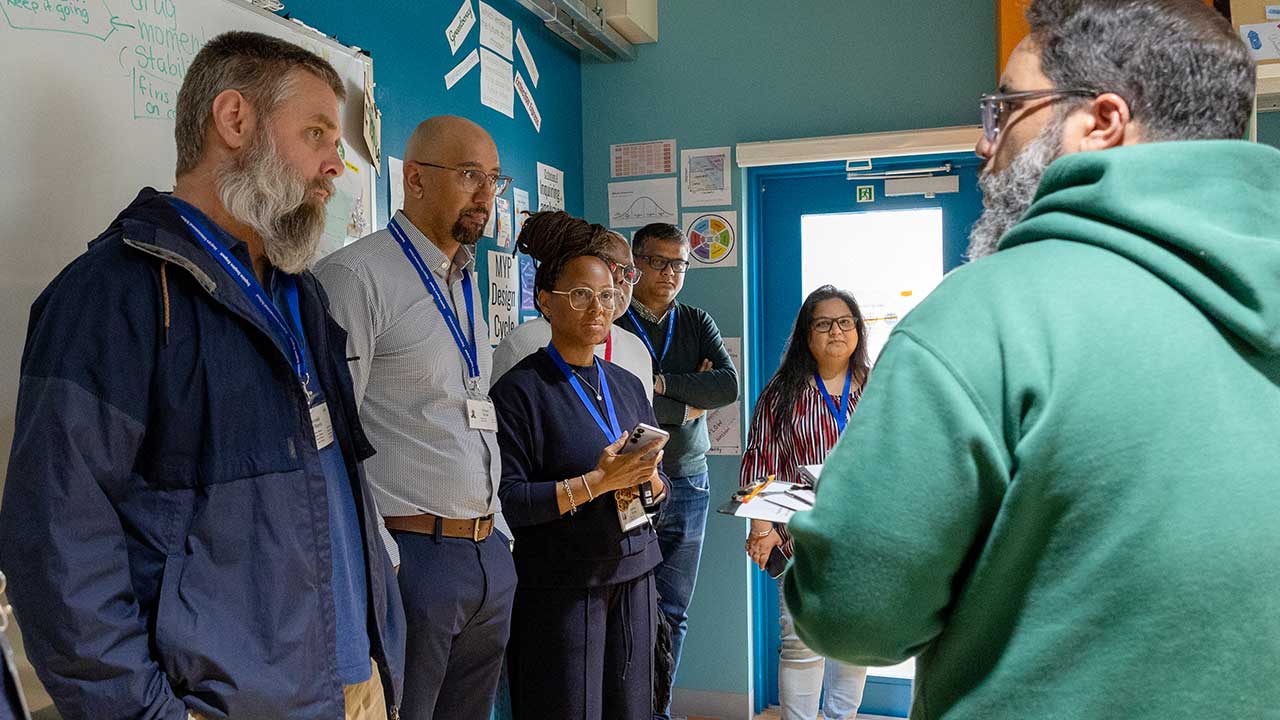
Throughout the process, students share their designs with teachers, peers, and visitors from Lockheed Martin—explaining their reasoning, answering questions, and reflecting on their decisions. Feedback becomes part of the process, pushing ideas further and deepening understanding.
This visibility transforms the experience, with students communicating their thinking and taking ownership of their learning.
The Moment—and What It Represents
On launch day, the learning expands beyond Grade 8.
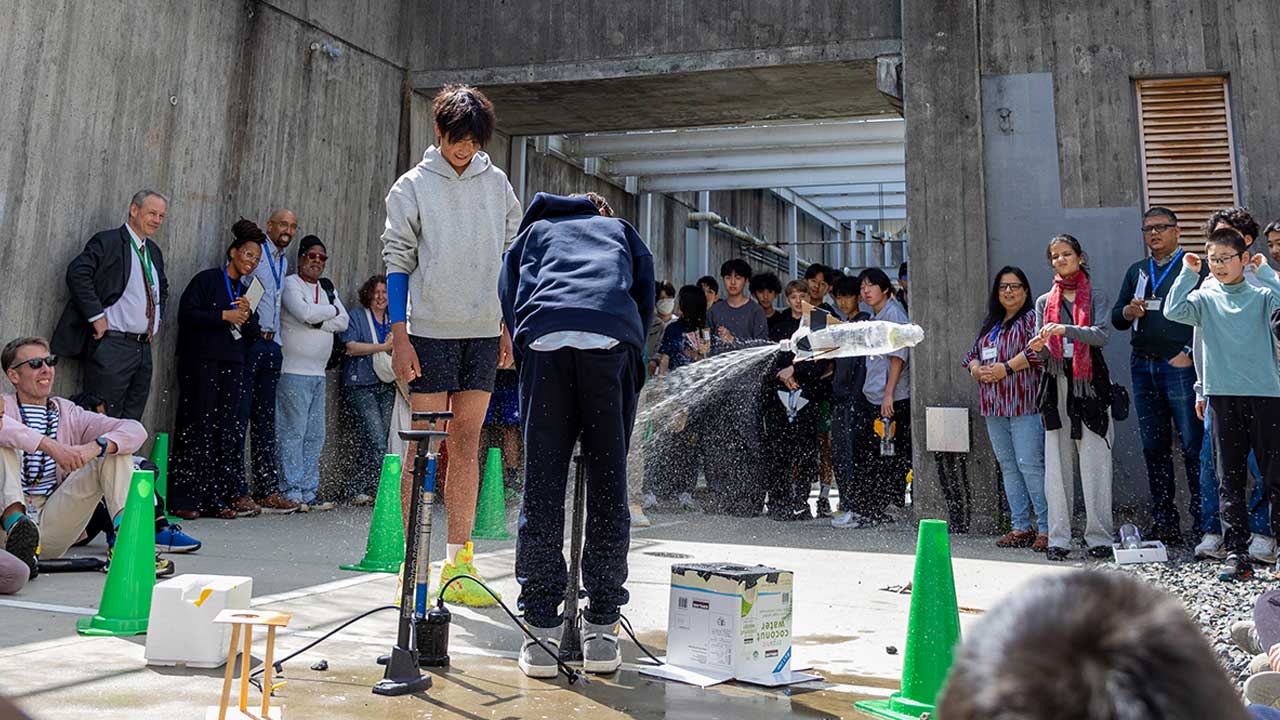
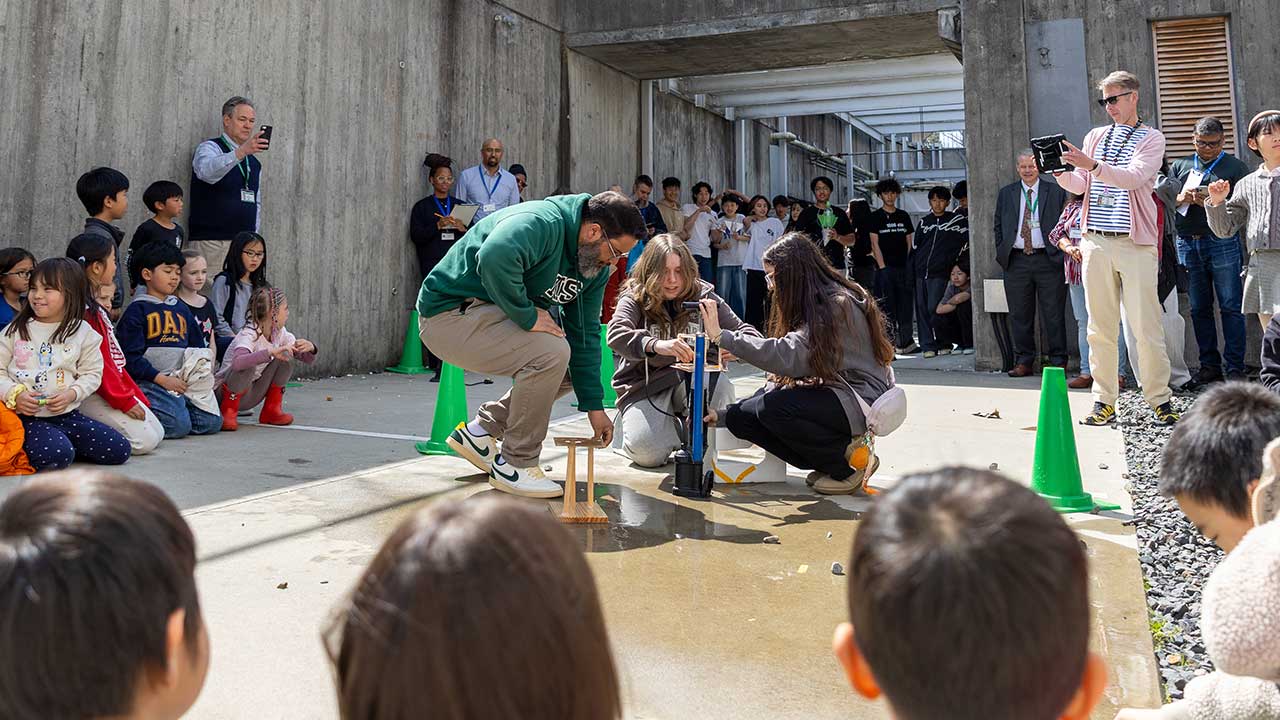
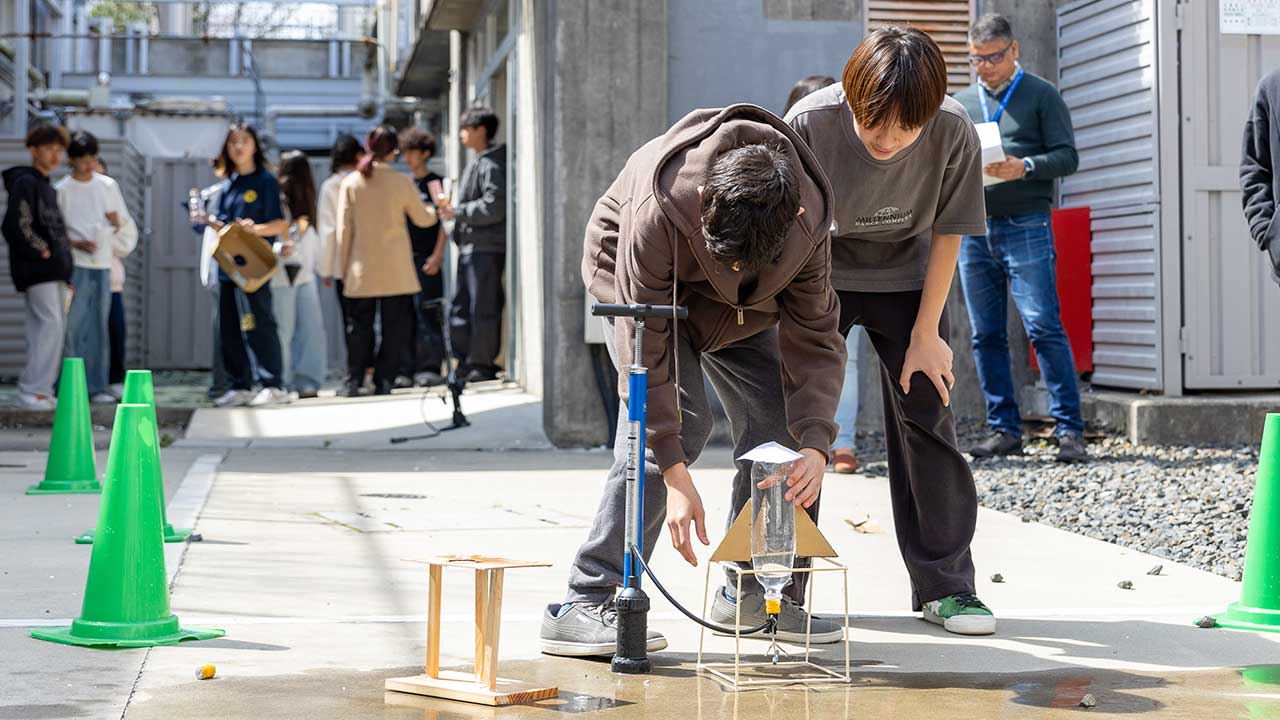
There is an excited anticipation that ripples through the crowd of younger students gathered to watch. Their attentions are fixed on each team as they prepare for liftoff. Through the excitement, they may not understand that they are also taking part in the learning experience of their older peers and glimpsing what learning can become.
As rockets launch—some soaring high, others taking unexpected paths—the reactions are immediate. Cheers, laughter, and curiosity can be seen on the faces of the students.The launches themselves are unforgettable: water spraying, rockets lifting, and students tracking their designs against the sky.
Yet each launch is more than a moment of excitement. It is a real-time test of ideas—an opportunity to see how design decisions translate into performance. Students observe, reflect, and begin to understand not just what worked, but why.
“The Rocket Fair was a fun and powerful learning experience where students engaged in iteration—testing, failing, and improving their designs." said Design teacher Alexander Lashly. "Hearing the cheers from the Grade 1 and 2 students when a rocket finally took flight is a moment that will stay with them as a celebration of perseverance and success.”
Learning That Lasts
By the end of the challenge, students have done more than build rockets.
They have taken abstract concepts and made them tangible. They have shared their thinking, responded to feedback, and stood behind their work. In doing so, they build confidence—not just in their final product, but in their ability to think, adapt, and create.
At NIS, experiences like the Rocket Design Challenge reflect a broader approach to learning—one that values inquiry, application, and real-world connection. From initial sketches to skyward launches, students move beyond theory and into action. Their learning is deepened, tested, and made visible. And in that process, ideas take shape—and then they take flight!